Shipowners skeptical about green fuels
10 July 2026
Shipowners are increasingly skeptical about plans to adopt low-carbon fuels such as ‘green’ ammonia or ‘green’ methanol, according to the International Chamber of Shipping’s latest annual survey of shipping executives conducted last month.
Survey respondents identified LNG (liquefied natural gas) and biofuels as the most viable fuel options for the next decade, followed closely by HFO (heavy fuel oil) combined with abatement technologies. While alternative pathways continue to be explored, challenges related to cost and availability remain significant. The low-carbon alternatives remain stubbornly expensive and there is no indication that they could become competitive with LNG or HFO in the foreseeable future.
Conviction that ammonia will become a commercial marine fuel in the next decade fell from 31% of shipping executives last year to 12% this year. Their confidence in hydrogen fuel fell from 18% to 10%.
In contrast, the confidence in traditional fuel oils as the most viable option increased from 41% last year to 50%.
Shipping accounts for nearly 3% of all GHG emissions and for ~11% of emissions from transport. While the International Maritime Organization (IMO) has adopted a GHG Strategy calling for net-zero GHG emissions from ships by 2050, IMO members failed to agree on the GHG emissions pricing mechanism (i.e., a carbon tax for ships) and the talks have been adjourned until October 2026.
Dual-fuel ships capable of burning low carbon fuels have been increasingly available, presenting a rapidly expanding market segment for marine engine manufacturers. As of 2024, about 40% of new ships on order were dual fuel ships, and a fleet of 100% alternative fuel capable ships could be feasible by 2050—according to industry executives speaking at the CIMAC Congress held last year in Zürich.
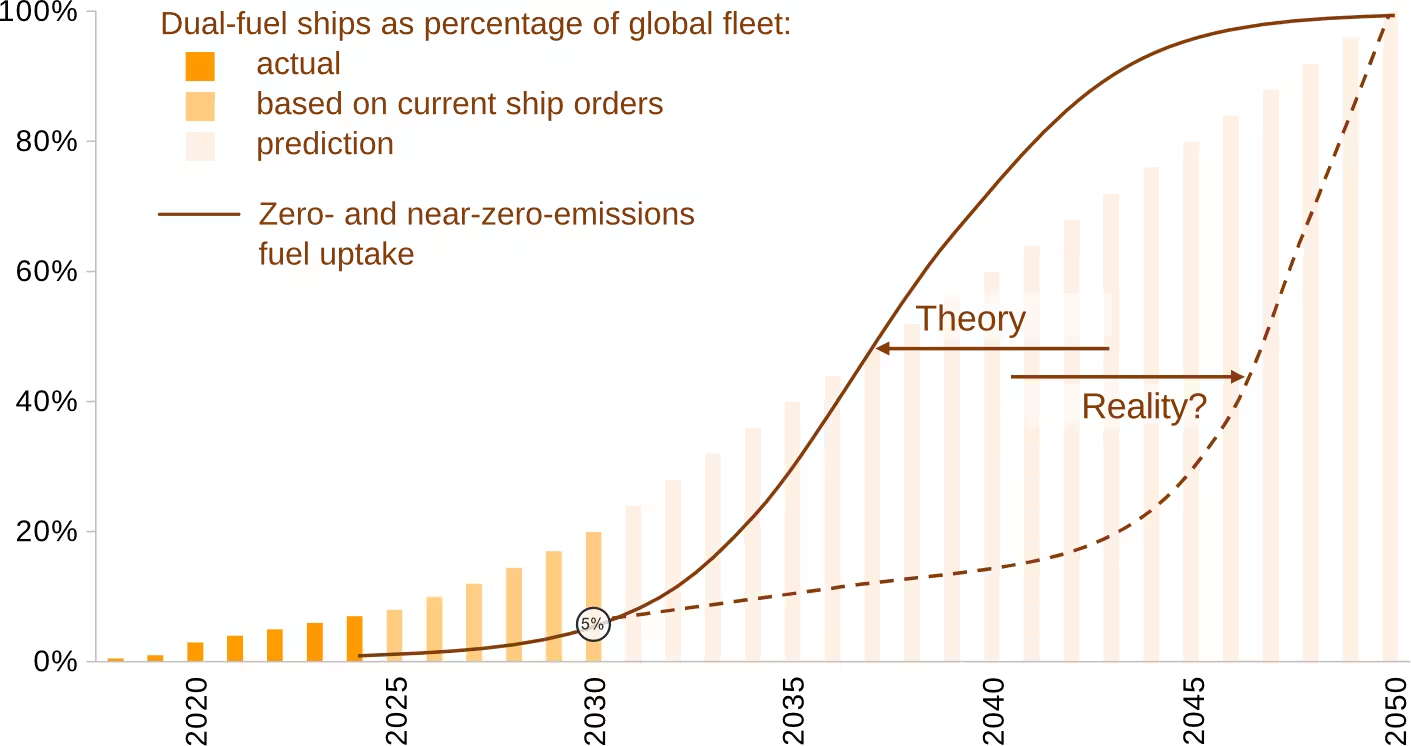
(Source: Accelleron, 2025 CIMAC Congress)
However, a wider adoption of alternative fuels would require substantial investment decisions, while low-carbon fuels are not cost-competitive and there is no business case for energy companies to supply alternative marine fuels such as ammonia. Therefore, a future scenario is emerging where the global shipping fleet is equipped with alternative fuel capable engines that continue to operate on fossil-based fuels.
Source: Financial Times